
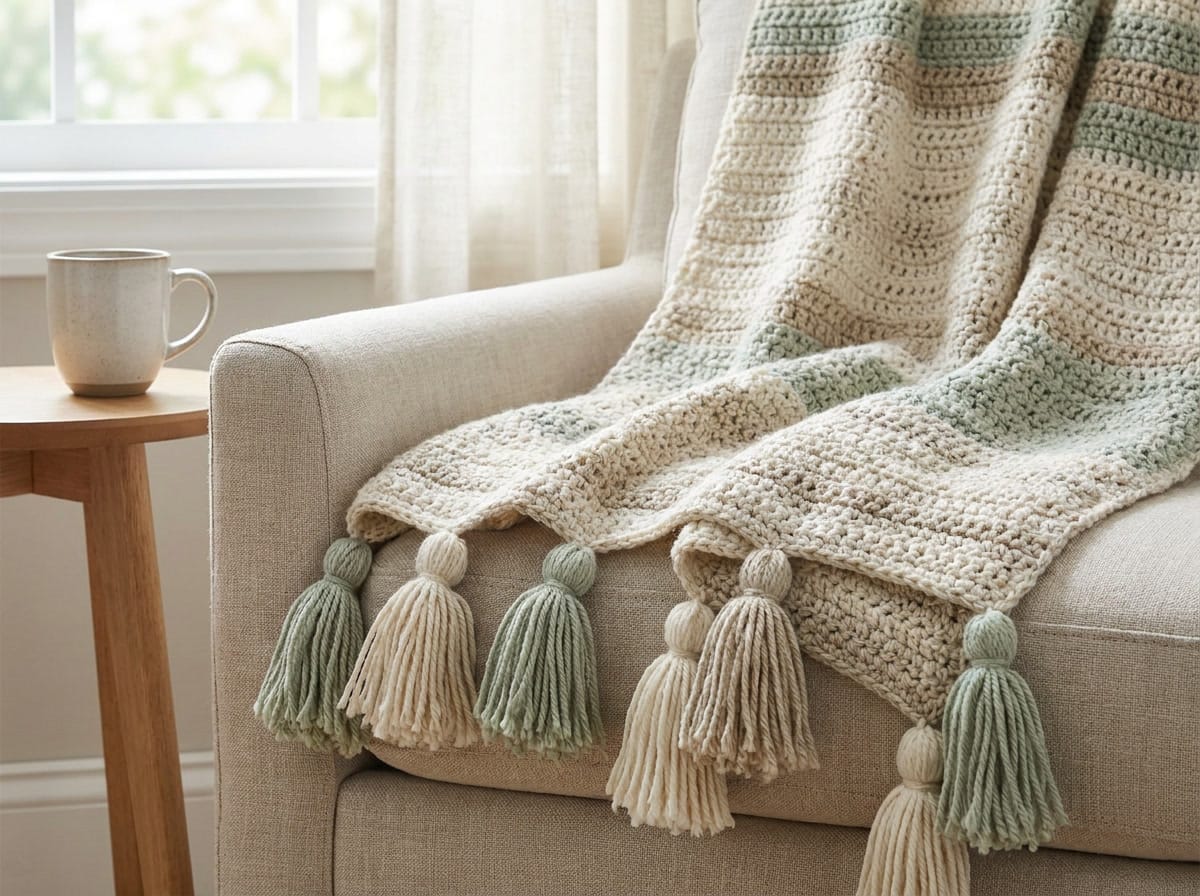
Shawlettes have emerged as one of the most versatile pieces in contemporary crochet design. Unlike traditional shawls that demand substantial yardage and lengthy projects, shawlettes offer a perfect balance between impact and practicality. Their minimalist triangular silhouettes have captured the imagination of modern crocheters worldwide, from beginners seeking quick victories to experienced artisans hunting for fresh design challenges. A well-crafted shawlette transforms effortlessly from an office accessory to an evening wrap, making it an essential addition to any wardrobe and an endlessly rewarding crochet undertaking.
Understanding the Minimalist Shawlette Appeal
The beauty of minimalist shawlette design lies in its elegant simplicity. Unlike intricate lacework or heavily textured patterns, minimalist shawlettes celebrate clean lines, negative space, and the natural drape of quality yarn. This design philosophy strips away unnecessary complexity without sacrificing visual interest. A single stitch repeat, strategically placed yarn overs, and thoughtful color choices create sophisticated pieces that speak volumes through restraint. This approach appeals to contemporary aesthetics while remaining accessible to crocheters of varying skill levels. Many find the meditative rhythm of repetitive stitching deeply satisfying, transforming work time into a form of mindful craftsmanship.
Yarn Selection for Triangular Shawlettes
Choosing the right yarn makes or breaks a shawlette project. Lightweight yarns in fingering or sport weight work beautifully for triangular designs, allowing proper drape and showcasing stitch definition without overwhelming bulk. Natural fibers such as merino wool, cotton, or linen create pieces with excellent breathability and lasting elegance. For a minimalist aesthetic, solid colors in neutrals like charcoal, cream, sage, or navy establish a timeless foundation. Consider semi-solid or tonal variations for subtle sophistication without visual chaos. Aim for approximately 400 to 800 yards depending on your desired dimensions. At www.ichraqcrea.site, we recommend testing yarn drape with gauge swatches before committing to your full project, ensuring your finished shawlette hangs exactly as envisioned.
Essential Stitches and Techniques
Most minimalist triangular shawlettes rely on a compact stitch vocabulary. Single crochet, half double crochet, and double crochet form the structural foundation, while strategic yarn overs create the necessary lace elements. Understanding increases and decreases proves crucial for maintaining the triangular shape as you progress from the top point downward or bottom upward. Tension consistency directly affects your final dimensions, making gauge work non-negotiable. Many modern patterns employ the “bottom-up” construction method, beginning with a cast-on chain and increasing evenly on both sides until reaching desired width. This approach offers superior control and helps prevent the pointed top from becoming too elongated or awkwardly shaped.
Styling Your Minimalist Shawlette
A well-designed triangular shawlette adapts beautifully across seasons and occasions. During cooler months, drape it across your shoulders beneath a structured blazer for subtle texture that catches light without clashing. Neutrals pair seamlessly with both professional wardrobes and casual denim ensembles. In warmer weather, lightweight cotton shawlettes serve as sun protection while maintaining breathability. Evening wear transforms when you pin a shawlette at your neckline or secure it with a decorative brooch, instantly elevating simple dresses. Office settings appreciate the polished sophistication of minimalist shawlettes; they signal intentional craftsmanship and personal style without appearing costume-like or overly ornamental. Experiment with different draping styles to discover your preferred presentation.
Perfecting the Shape and Fit
Achieving a perfect triangular silhouette requires precision in both pattern selection and blocking technique. Most patterns specify finished dimensions, but individual tension variations will affect outcomes. After completing your shawlette, wet blocking transforms it dramatically. Soak the finished piece in lukewarm water with gentle fiber wash for fifteen minutes, then gently squeeze out moisture without wringing. Pin the triangular shape on a blocking board, pulling the top point downward and the bottom edge outward to form an elegant drape. Allow complete air drying, typically twenty-four to forty-eight hours. This blocking step makes the difference between a crumpled handmade item and a polished, professional-looking accessory. The process also evens out stitch imperfections and ensures consistent dimensions.
Caring for Your Finished Shawlette
Proper care extends the life of your handmade investment significantly. Hand washing in cool water with delicate fiber soap prevents pilling and maintains softness. Lay flat to dry when possible, or gently roll in a towel to remove excess moisture. Store shawlettes in a breathable cotton bag away from direct sunlight, which can fade colors over time. Avoid hanging shawlettes on hooks for extended periods, as this stretches the fiber and distorts the triangular shape. With mindful care, a quality crocheted shawlette remains beautiful for years, becoming a cherished staple rather than a seasonal novelty.
Common Questions About Shawlette Design
Do I need blocking experience to achieve professional results? No. Blocking becomes easier with each project. Start simple with basic pinning techniques and progress toward advanced methods like starch blocking once you feel confident.
Can I modify a shawlette pattern to make it larger or smaller? Absolutely. Working with thicker yarn or adding extra pattern repeats increases overall dimensions. Conversely, finer yarn and fewer repeats create smaller versions. Always knit a gauge swatch first.
What if I make mistakes in the triangular shape? Most minor irregularities disappear during blocking. Blocking expertly conceals tension inconsistencies and slight sizing variations while dramatically improving overall appearance.
How long does a typical shawlette project take? Most minimalist triangular shawlettes take between five and twenty hours of active crochet time, depending on yardage and complexity. Many crocheters complete one within two to three weeks with regular crafting sessions.
Your Next Crochet Adventure Awaits
Minimalist triangular shawlettes represent the perfect intersection of simplicity and sophistication. Whether you seek a quick project to refine your technique or an elegant accessory that complements your entire wardrobe, this style delivers satisfaction and style. The meditative practice of working repeating stitch patterns while watching something genuinely beautiful emerge offers rewards that extend far beyond the finished garment itself.
Ready to begin your shawlette journey? Download our exclusive free minimalist triangular shawlette pattern today and join thousands of crocheters who have discovered the joy of creating functional, elegant handmade fashion. Your next favorite accessory awaits. Start crafting now.
Free PDF pattern: Download the crochet pattern from www.ichraqcrea.site
Original image and pattern published by www.ichraqcrea.site.