
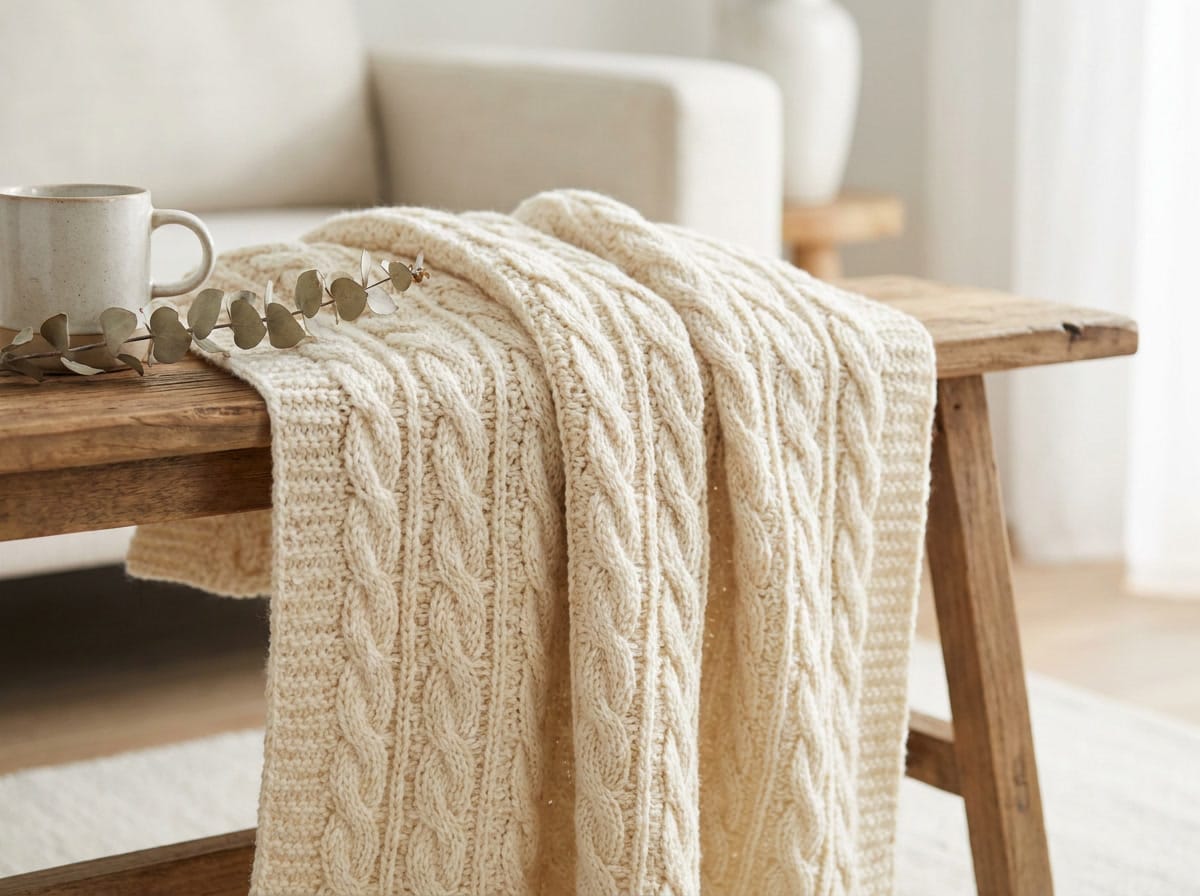
Lace has always held a special place in the world of fashion and handmade crafts. When combined with the versatility of crochet, it becomes something truly magical. Whether you’re a beginner discovering the beauty of openwork stitches or an experienced crocheter looking to refine your skills, creating crochet lace pieces opens doors to elegant garments, delicate accessories, and timeless designs that never go out of style. This guide will help you understand the fundamentals of crochet lace work, explore contemporary styling options, and give you the confidence to create heirloom-quality pieces.
UNDERSTANDING CROCHET LACE BASICS
Crochet lace is created through strategic placement of open spaces and solid stitches, forming intricate patterns that appear delicate yet remain surprisingly durable. Unlike knitted lace, which can be more delicate and prone to runs, crochet lace maintains its integrity better over time due to the nature of single-strand construction.
The foundation of most lace patterns relies on fundamental techniques: chain spaces, mesh patterns, and filet crochet. Chain spaces are created by skipping stitches and connecting with chains, forming the negative space that gives lace its signature appearance. Double crochet and treble crochet stitches form the framework, while strategic yarn overs create height and visual interest.
What makes crochet lace particularly appealing is its accessibility. You don’t need advanced skills to create beautiful lace pieces. With practice and attention to tension, crocheters of any level can produce professional-looking results.
CHOOSING THE RIGHT YARN FOR LACE PROJECTS
Selecting appropriate yarn is crucial for successful lace work. Lightweight yarns in the fingering or sport weight categories work beautifully for traditional lace designs. These weights allow stitches to open properly, creating the transparency and flow that defines quality lacework.
Cotton and cotton blends are classic choices for lace garments because they hold their shape well and provide a structured drape. Wool and wool blends create warmer, more textured pieces suitable for shawls and wraps. Specialty fibers like bamboo or silk offer luxurious finishes for garments you’ll treasure for years.
Thread count matters less than yarn consistency. Look for smooth, even yarns without thick and thin variations, which can create uneven lace patterns. Light colors such as cream, white, pastels, and neutrals showcase lace work beautifully, though deeper tones can create stunning modern aesthetic.
STYLING YOUR CROCHET LACE CREATIONS
Modern crochet lace extends far beyond vintage styles. Today’s crocheters are creating contemporary pieces that work beautifully in current fashion contexts.
Lace cardigans and covers layer elegantly over simple tees or slip dresses, adding sophistication to everyday outfits. Pair them with well-fitted jeans or tailored trousers for polished casual wear. For formal occasions, wear a lace cardigan open over an elegant slip dress to create striking visual contrast.
Lace shawls and wraps serve both aesthetic and practical purposes. A triangular lace shawl draped over the shoulders of an evening dress creates romance and movement. Rectangular wraps work equally well in professional settings, adding texture without overwhelming an outfit.
Accessories transform lace into versatile style pieces. Delicate lace collars add unique character to solid-colored sweaters. Lace fingerless gloves or hand warmers provide warmth while showing off intricate stitch work. Lace edgings on existing garments update classics instantly. Even lace jewelry organizers or decorative pouches bring handmade elegance to personal spaces.
ESSENTIAL TECHNIQUES FOR SUCCESSFUL LACE CROCHET
Maintaining consistent tension creates professional results. Lace stitches require slightly looser tension than dense crochet, allowing proper stitch definition. Practice maintaining uniform chain spaces, as these form the visual foundation of your pattern.
Blocking is non-negotiable for lace projects. This process stretches and sets your stitches, revealing pattern details that may appear bunched before blocking. Wet blocking with water and careful pinning transforms a dense-looking piece into an open, structured lace garment.
Reading lace charts develops essential skills. Chart symbols represent different stitches, and understanding directional flow prevents mistakes. If you’re new to charts, start with written patterns and progress to visual diagrams as confidence grows.
Count your stitches regularly. Lace patterns rely on precise stitch counts to maintain pattern continuity. Losing a stitch early goes unnoticed until later rows, when the error becomes obvious and requires unraveling.
CARING FOR YOUR CROCHET LACE PIECES
Proper care ensures your handmade lace remains beautiful for generations. Gentle hand washing in cool water with mild detergent prevents damage. Avoid wringing; instead, gently squeeze water through the fabric. For delicate pieces, consider using a mesh lingerie bag during washing.
Drying flat on a clean towel maintains shape and prevents stretching. If your piece needs blocking after washing, do this before complete drying for best results.
Store lace pieces folded in acid-free tissue paper in cool, dry locations. Avoid plastic bags, which trap moisture and can create mildew. Cedar blocks or lavender sachets provide natural protection against moths while imparting pleasant scent.
With minimal care, quality crochet lace garments outlast many commercial alternatives, making them excellent investments in your personal style and your craft.
CONTEMPORARY DESIGN TRENDS IN CROCHET LACE
Today’s lace designs break traditional boundaries. Mixed-stitch lace combines open work with solid elements, creating graphic patterns and modern silhouettes. Designers are experimenting with bold color blocking, asymmetrical construction, and unexpected fiber blends that wouldn’t have seemed appropriate ten years ago.
Sustainability influences modern lace design, with many crocheters choosing yarn made from recycled fibers or deadstock materials. This approach honors the handmade tradition while supporting environmental responsibility.
Minimalist lace featuring large open spaces and simple stitch combinations appeals to contemporary aesthetics. Rather than intricate patterns covering entire garments, designers create statement pieces with bold geometric lace sections on solid backgrounds.
Visit www.ichraqcrea.site to explore exclusive patterns that combine these contemporary trends with timeless technique.
FREQUENTLY ASKED QUESTIONS
What’s the difference between crochet lace and filet crochet?
Filet crochet is a specific type of crochet lace characterized by a consistent grid of open squares created with chain spaces and double crochets. All filet crochet is lace, but not all crochet lace is filet. Filet uses charts extensively, while other lace types may use written instructions or combination approaches.
How long does a crochet lace shawl typically take to complete?
This varies significantly based on shawl size, yarn weight, and pattern complexity. Small triangular shawls might take thirty to fifty hours, while larger rectangular wraps can require eighty to one hundred fifty hours. Your experience level and available crafting time influence the timeline considerably.
Can I use thick yarn for crochet lace?
While thicker yarn creates openwork, it won’t produce traditional lace appearance. Lace depends on lightweight yarn creating delicate, transparent patterns. Thicker yarns work beautifully for other openwork projects, but they don’t achieve the characteristic lace aesthetic.
Is blocking necessary for all lace projects?
Blocking dramatically improves any lace project, but small accessories like fingerless gloves may not require formal blocking. However, for garments and significant projects, blocking transforms your work by properly setting stitches and revealing pattern details.
CALL TO ACTION
Ready to create your first stunning crochet lace piece? Download your free beginner-friendly lace pattern today and join thousands of crocheters worldwide who are discovering the joy of creating timeless handmade fashion. The pattern includes clear instructions, helpful stitch guides, and styling suggestions to transform your yarn into wearable art.
Whether you’re crafting your first delicate shawl or expanding an advanced pattern collection, this free resource provides the foundation for success. Begin your lace journey now and experience the satisfaction of creating heirloom-quality pieces that celebrate your creativity and skill.
Free PDF pattern: Download the crochet pattern from www.ichraqcrea.site
Original image and pattern published by www.ichraqcrea.site.